


How to write a Learning Story


How to Write a Learning Story
A learning story is a meaningful way to document children’s learning as it happens through play, relationships, routines, conversations and everyday experiences.
Rather than simply recording what a child did, a learning story helps educators make children’s learning visible. It tells the story of the moment, what the educator noticed, what the child was exploring, how the child was thinking, communicating, problem-solving or connecting with others, and why this learning matters.
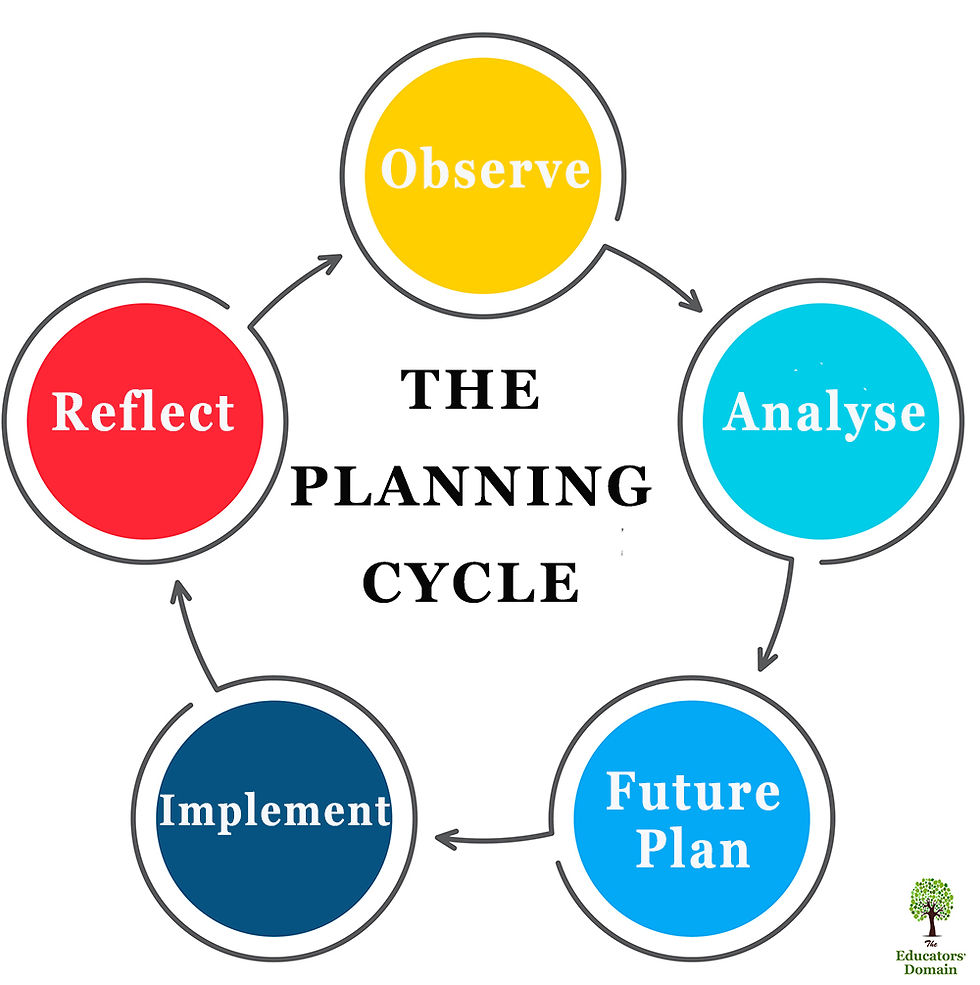
Learning stories are one form of documentation that can support the assessment and planning cycle. They help educators observe, analyse learning, document, plan for future learning, implement experiences and reflect on what happened next.
A learning story may capture a single meaningful moment, or it may show learning that has developed over several days or weeks. It can include photos, child voice, educator reflections, family input and links to the approved learning frameworks.
This is how a learning story can look;
Writing the Story- Start by writing the story in a warm and respectful way. Describe what you noticed, what the child was doing, what they said, how they interacted with others and what made the moment meaningful.
Learning stories are most powerful when they show the child as capable, curious and involved in their own learning. Instead of writing only about the activity, focus on the learning within the experience.
For example, you might write about how a child persisted with a tricky construction, used language to share an idea, showed care for a friend, explored a new sensory material, solved a problem, or returned to an experience over time to build on their thinking. Photos can be added to help children and families revisit the experience and talk about the learning together.
Identify the Learning Outcomes-After writing the story, choose the main learning outcomes that best connect with the learning you observed. The learning may connect with more than one outcome area, but it is usually best to choose one or two key outcomes so the documentation stays clear and purposeful.
You may link the learning to EYLF V2.0, MTOP V2.0, QKLG or VEYLDF, depending on your service, age group and curriculum requirements.

Analyse the Learning- This is where the educator explains the learning in more depth.
Use your professional knowledge to think about what the child was showing through their play, actions, language, relationships and choices. This section helps move the documentation from “what happened” to “what learning was taking place”.
You might consider:
What was the child practising, exploring or discovering?
What strengths, interests or dispositions were visible?
How did the child communicate their thinking?
How did the experience connect to the child’s identity, relationships, wellbeing or development?
What does this tell us about the child’s current learning journey?
You can also make thoughtful links to early childhood theorists, pedagogical approaches or your service philosophy where relevant. This helps show the deeper thinking behind your documentation and planning.
Future Planning/Extension Ideas-Future planning should grow naturally from what you observed. Think about how you can extend, revisit or strengthen the child’s learning. This might include offering new materials, revisiting the experience in a different way, adding language, inviting peers to join, connecting with family input or planning an intentional teaching moment. Future planning should reflect what you already know about the child, their interests, strengths, culture, family context and current learning.
If you use an individual learning plan or programming document, these ideas can be transferred into the child’s future planning section.

Parent/ChildVoice- Learning stories are a lovely way to invite children and families into the documentation process. Child voice may include the child’s words, ideas, choices, questions or reflections. Family voice may include comments from home, cultural knowledge, celebrations, interests or feedback about the learning story.
This helps build a stronger connection between home and the service and supports families to see the learning that is happening through play.
Reflections- Reflection helps educators look back and consider what happened after the learning story was written. This section may be used to record whether the future planning was implemented, how the child responded, what changed, what was extended, and what the educator might do next. For shorter moments, celebrations or special events, a detailed reflection section may not always be needed. For deeper learning stories, reflections help show the full planning cycle in action.
Why Learning Stories Matter
Learning stories are more than paperwork. They are a way of celebrating children’s thinking, relationships, progress and identity.
They help educators slow down and notice the learning that can sometimes be missed in busy rooms. They also give children and families something meaningful to revisit, talk about and treasure.
In our Learning Story Packs, each section is already set up for you so educators can easily type into the template, add photos, link to learning outcomes, analyse the learning, plan future experiences and include parent or child voice. The packs are designed to support educators with clear, practical sections while also creating a beautiful keepsake for families. They help make children’s learning visible while supporting the ongoing cycle of observation, analysis, documentation, planning, implementation and reflection.
We have over 50 packs in our set of learning stories covering a huge variety of topics.




Comments