


Assessment and Planning Cycle 1.3.1

Updated: Aug 12, 2024

Assessment and Planning Cycle QA 1.3.1
Are you connecting all of your future planning ideas to your program? Are you reflecting on those future plans? It can feel overwhelming to juggle everything—observe, plan, implement, reflect, and then revisit. Plus, this needs to be done for every child, ensuring that your observations and planning align with the five learning outcomes!
How do we make this easy for you?
Our packs are designed to make this easier. By following the guides in each section, you'll find it much more manageable.
Here’s an example of how it should work:
You’ve just made a great observation of a meaningful learning experience—what’s next?
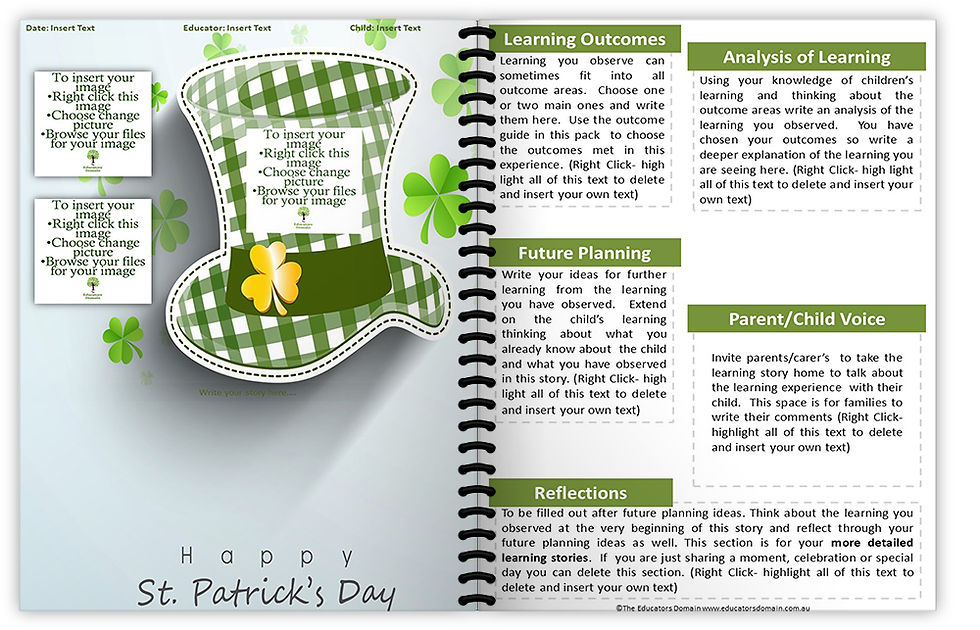
You can document it in a learning story or use one of the templates from our observation pack. Then, use the outcome page to select your learning outcomes, analyse the learning, and plan the next steps (future planning).
Next, add this learning experience to your program. This would typically go into the child-led individual activities section on the left-hand side of our program template.
Once the experience is complete, return to your learning story and fill in the Reflections section. Consider how it went, what you’ll do next, and whether there’s more learning to be explored. To make it easy for assessors to see the links in your program, you might include a date or code to help them easily locate the follow-up activity.
Invite families to read about the experience in each child’s learning story and encourage them to share their thoughts in the Family Input section.
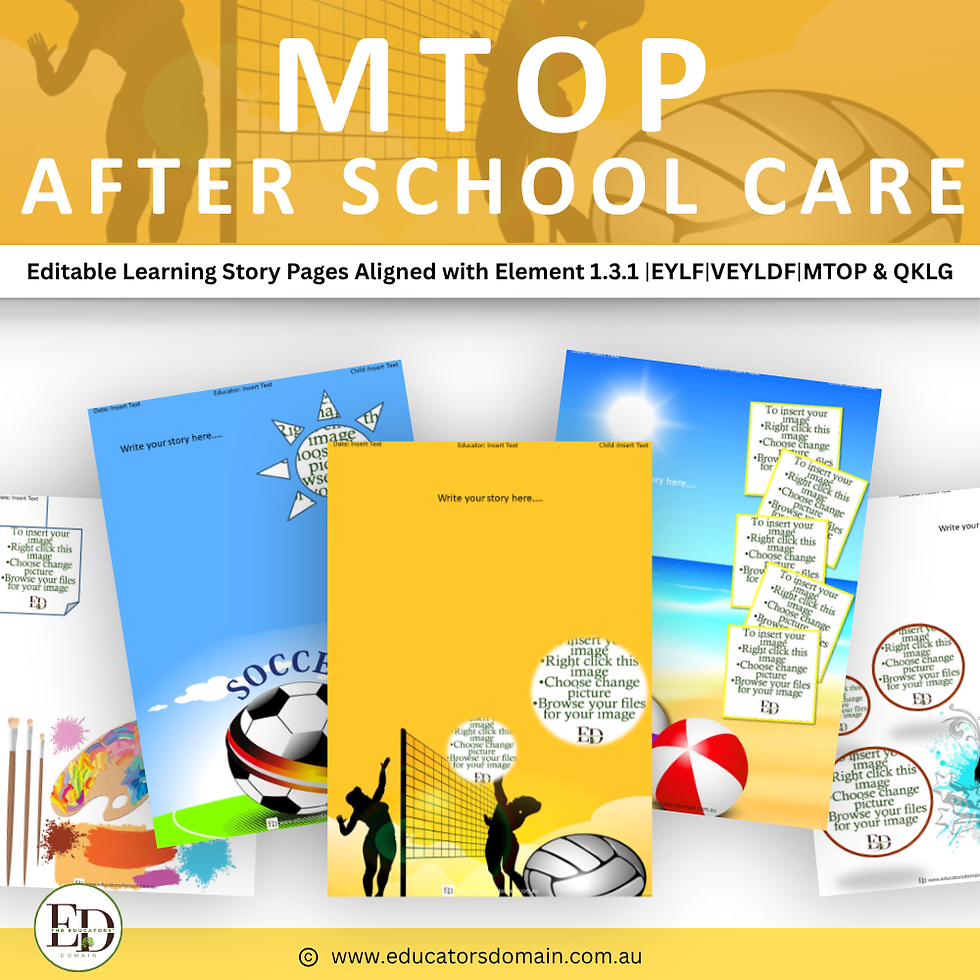
Our Programming Pack includes examples and samples to ensure you cover everything needed for each child. Each Learning Story pack also includes an outcome page that guides you on what to look for and how to document it effectively.

Our Observation Bundle includes a handy checklist to ensure that every child has an observation recorded and that learning experiences are planned to align with each of the five learning outcomes. This way, you can be confident that you’re covering all the bases for every child in your care.

This set is perfect for wrapping up all your learning journals for the year and getting a head start on next year. It includes everything you need (and more) to meet all the requirements for Quality Area 1—Educational Program and Practice.
We have a variety of resources to help you, view these here










The discussion about the importance of strategically connecting observations and future plans seems critical. However, it raises questions about the practicality of implementing such a comprehensive approach in diverse educational settings. The proposed frameworks, while beneficial, might overwhelm educators rather than streamline the process. How do we ensure that each child receives personalized attention without being bogged down by administrative requirements? The balance between structured planning and genuine engagement remains a pertinent concern, especially when it comes to using Royal Reels effectively as a tool for deeper learning experiences.
The discussion on settlement boundaries often reveals deeper implications regarding urban planning and community priorities. In this context, the emphasis on environmental and cultural considerations raises questions about who truly benefits from such decisions https://tree-alliance.org/ The Pokies present a relevant example of how urban expansions can influence local economies, yet they may also detract from community values, highlighting the need for careful deliberation.